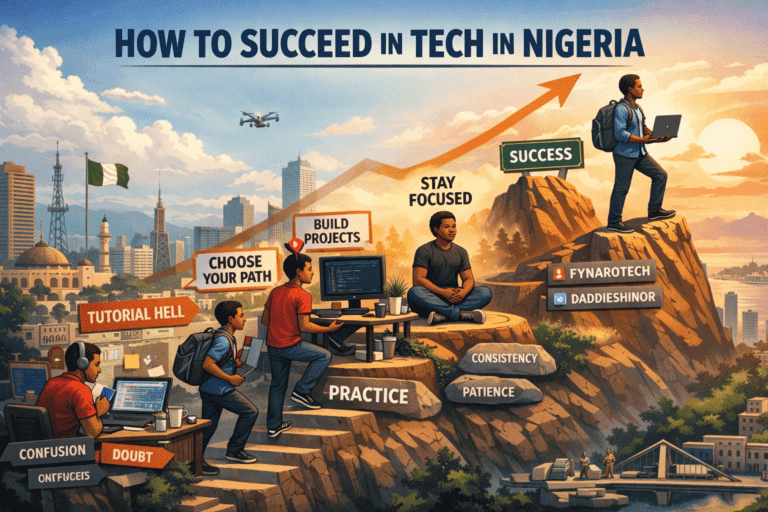

Africa’s African tech ecosystem story is no longer just about growth; it’s about precision. The funding slowdown between 2022 and 2023 forced a reset. Since then, capital hasn’t disappeared; it has become more intentional. By 2025, billions are flowing back into startups, but this time, they’re landing in ecosystems that are actually solving hard problems and building durable companies.
The conversation has shifted. It’s no longer about who can raise fast. It’s about who can build, survive, and scale.
Here are five African tech ecosystems that are positioned to define the next 24 months.
Lagos: Africa’s Scale Engine

When people talk about African tech ecosystems, Lagos is always at the center, and for good reason. This is the continent’s toughest market. It’s chaotic, fast-moving, and deeply unforgiving. But that pressure creates something rare: startups that are built for survival and scale at the same time.
If your product works in Lagos, chances are it can work across Africa. The combination of a massive population, strong fintech adoption, and constant demand forces founders to move quickly and think practically.
What to watch in this ecosystem:
- Digital infrastructure platforms like Itana
- The shift from payments into credit and embedded finance
- The rise of AI-powered creator and commerce tools
The constraint:
Infrastructure gaps and talent migration remain real friction points.
Nairobi: Africa’s Innovation Lab

Among African tech ecosystems, Nairobi stands out for experimentation. This is where ideas are tested before they scale.
The influence of mobile money created a culture where people are comfortable trying new financial systems. That mindset continues to shape innovation across sectors from climate tech to mobility.
Nairobi isn’t just building startups; it’s shaping models.
What’s emerging here:
- Climate and clean energy solutions
- Electric mobility ecosystems
- AI tools for SMEs and informal sectors
Why it matters:
Many of the innovations that succeed here eventually expand into other African tech ecosystems.
Cairo: The Deep Tech Layer

Cairo is one of the most underestimated African tech ecosystems right now. While other hubs focus heavily on consumer apps, Cairo is building technical depth. There’s growing activity in AI, semiconductors, and biotech areas that require long-term thinking and real engineering capacity.
This shift matters.
It signals a move from surface-level innovation to foundational technology.
What to watch:
- AI and hardware infrastructure investments
- B2B SaaS expansion across Africa and the Middle East
- Healthtech solving systemic challenges
The advantage:
Cairo connects two major markets—Africa and the Middle East—and is increasingly operating across both.
Cape Town & Johannesburg: Enterprise-Driven Growth

South Africa represents a different kind of strength among African tech ecosystems.
It’s more structured, more mature, and more connected to large enterprises. That shows up in the types of companies being built—less consumer hype, more infrastructure, and enterprise-grade solutions.
This is where startups plug into systems, not just markets.
Where momentum is building:
- Climate finance and renewable energy tech
- Enterprise SaaS scaling globally
- AI and data infrastructure
The edge:
Access to capital markets and strong corporate partnerships.
Accra: The Next Wave of African Tech Ecosystems
Beyond the major hubs, a new layer of African tech ecosystems is emerging, and Accra is leading that shift. For many founders, it offers something Lagos doesn’t: relative stability with growing opportunity.
At the same time, cities like Abidjan and Dakar are becoming increasingly relevant, especially as attention turns toward Francophone markets.
What’s taking shape:
- Cross-border fintech infrastructure
- Expansion into underserved regions
- Remote-first, multi-country startups
Why this matters:
The next generation of founders will not be concentrated in just one or two cities.
Key Trends Shaping African Tech Ecosystems
Across all these African tech ecosystems, a few clear patterns are emerging:
- Capital is becoming more disciplined: Investors are backing fewer startups but with stronger fundamentals.
- Fintech is evolving: The focus is shifting from payments to credit, infrastructure, and B2B financial tools.
- AI needs local relevance: The biggest opportunities lie in building for African languages, markets, and behaviors.
- Climate tech is becoming urgent: Energy, agriculture, and mobility are now central to innovation.
- New ecosystems are rising: Growth is spreading beyond traditional hubs into smaller, fast-growing cities.
Final Thoughts on African Tech Ecosystems
For a long time, African tech ecosystems were defined by potential.
Now they’re defined by execution.
Over the next 24 months, the difference will become clear between ecosystems that truly support founders and those that simply attract attention.
If you’re building or investing, these are the places where the real opportunities are unfolding.